

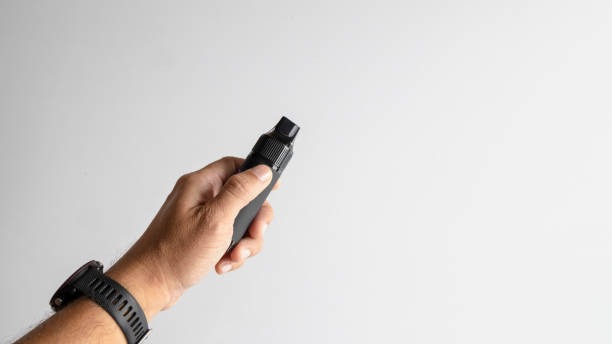
Gas detector calibration is a critical process that ensures the accuracy and reliability of gas detection instruments. These devices are essential for maintaining safety in environments where hazardous gases may be present, such as industrial facilities, laboratories, and confined spaces. Proper calibration of gas detectors is vital because it guarantees that the readings provided by these instruments are precise and trustworthy.
The primary reason for calibrating gas detectors is to ensure accurate measurements. Over time, sensors within these devices can drift or degrade due to exposure to various environmental factors like temperature fluctuations, humidity, and the presence of other chemicals. This drift can lead to false readings or missed detections of hazardous gases, posing significant risks to personnel safety and operational efficiency. Regular calibration corrects any discrepancies in sensor performance, ensuring that they provide reliable data.
Calibration involves comparing the readings from a gas detector with a known concentration of test gas under controlled conditions. If there is any deviation from expected results, adjustments are made to bring the device back into alignment with standard values. This process not only confirms the functionality of the equipment but also verifies its ability to detect specific gases at defined levels accurately.
Moreover, regulatory compliance often mandates étalonnage de détecteur de gaz regular calibration of gas detection equipment. Many industries operate under strict safety regulations that require adherence to established standards for equipment maintenance and performance verification. Failure to comply with these regulations can result in legal penalties and increased liability in case of an accident involving undetected hazardous gases.
In addition to fulfilling regulatory requirements, proper calibration enhances workplace safety by providing early warnings about potential dangers. Accurate detection allows workers ample time to evacuate or take corrective action before harmful exposure occurs. It also helps prevent costly incidents such as explosions or fires caused by undetected flammable gases.